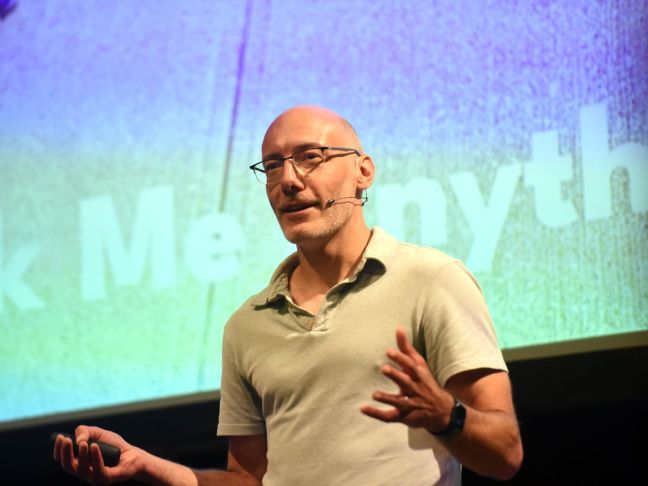
It had been a while since I last went to a tech conference, and within minutes of the opening keynote (which included washing potatoes in a washing machine), I regretted the time away.
I’d forgotten how good these events can be.
Conferences create space. Space to think, to hear new perspectives & ideas, to learn, to network. For me, it’s often about working through what’s already on my mind: clarifying, refining, and returning to the team & business with sharper thinking and fresh energy.
Here are a few takeaways that stayed with me from two packed days in Falmouth:
1. Debrief, debrief, debrief
Two standout talks borrowed heavily from military disciplines: “Feedback Loops Save Lives” by Matt Spruce and “High Performing Teams”. Both emphasised how important it is to talk and have short feedback loops, establish the mechanisms early, DO SOMETHING with the feedback! Brief each other before execution. Talk during pressure. Debrief straight after. Even when things go well.
The military acronym PBED (Plan, Brief, Execute, Debrief) was shared with one speaker adding:
“Magic happens, but you have to put the effort and discipline in.”
2. Strategy as a sprint
In my own work, I’ve often made space for strategy solo: drafting documents, sharing updates, responding to feedback and ensuring alignment. But a talk on co-creating strategy “The Strategy Sprint” by Rachel Dubois has me thinking differently.
Why not make strategy a sprint? Include the whole team in shaping, testing, and iterating our direction. The result? More alignment, stronger ideas, and better execution.
3. Zero the distance
The potato-washing keynote came back again with a term I’d not heard before: “Lizard Optimisation” by Gojko Adzic , acting on unintended uses of your product (like washing potatoes in washing machines). Customers doing weird things or triggering errors are giving you signals. Signals to close gaps, improve UX, and increase empathy. Engineers need to see and understand those signals.
We can (and should) reduce that distance:
- High-quality, human-readable error logging
- 404s that lead somewhere useful
- Faster loops between customer support and engineering
4. Psychological safety
Another strong thread across multiple talks was the importance of safety, not just on the battlefield or in production incidents, but in everyday team dynamics.
- Leaders speaking last.
- Creating space for every voice to be heard first.
- Switching from directive to coaching.
- Asking more questions.
Small actions that compound into trust, collaboration, and better teams. Team Topologies also came up in a lot of talks (re-reading as a result).
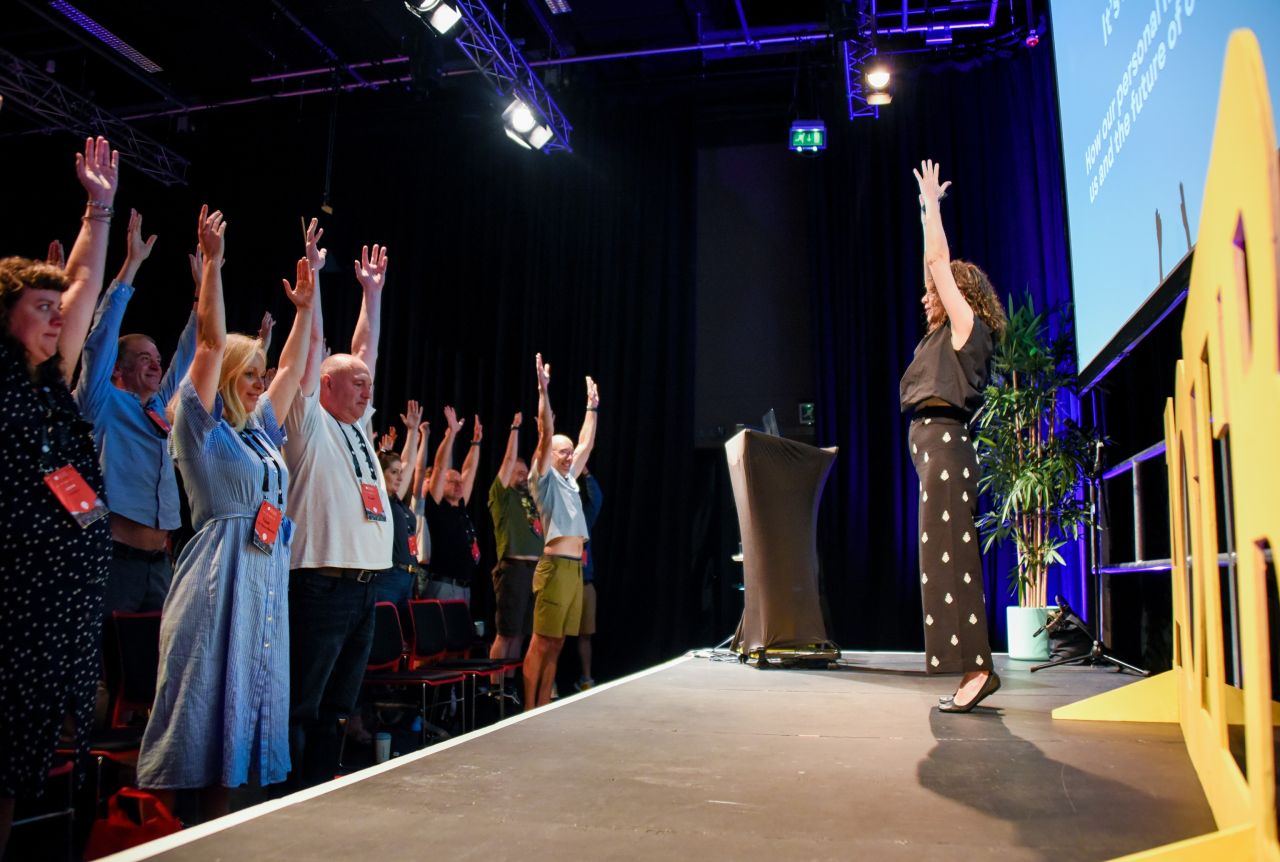
Reflecting on speaking again
This was also my first talk since 2014, and I’ll admit I’m mixed emotions waiting for the replay (due in October)… but the message I’d give anyone thinking about speaking is simple: If I can do it, you can too. Submit your talk and see what happens. Thanks to Toby Parkins and Steve Smith for giving me the chance to speak. And, special thanks to Niki Davies for the intro to my talk.
My talk was an Ask Me Anything [AMA] on AI, and I spoke more on our use of AI at Collecting Cars. Building on my previous post How We Think About AI at The Collecting Group
I’ll share more on this when the replay lands.
Conferences are time well spent
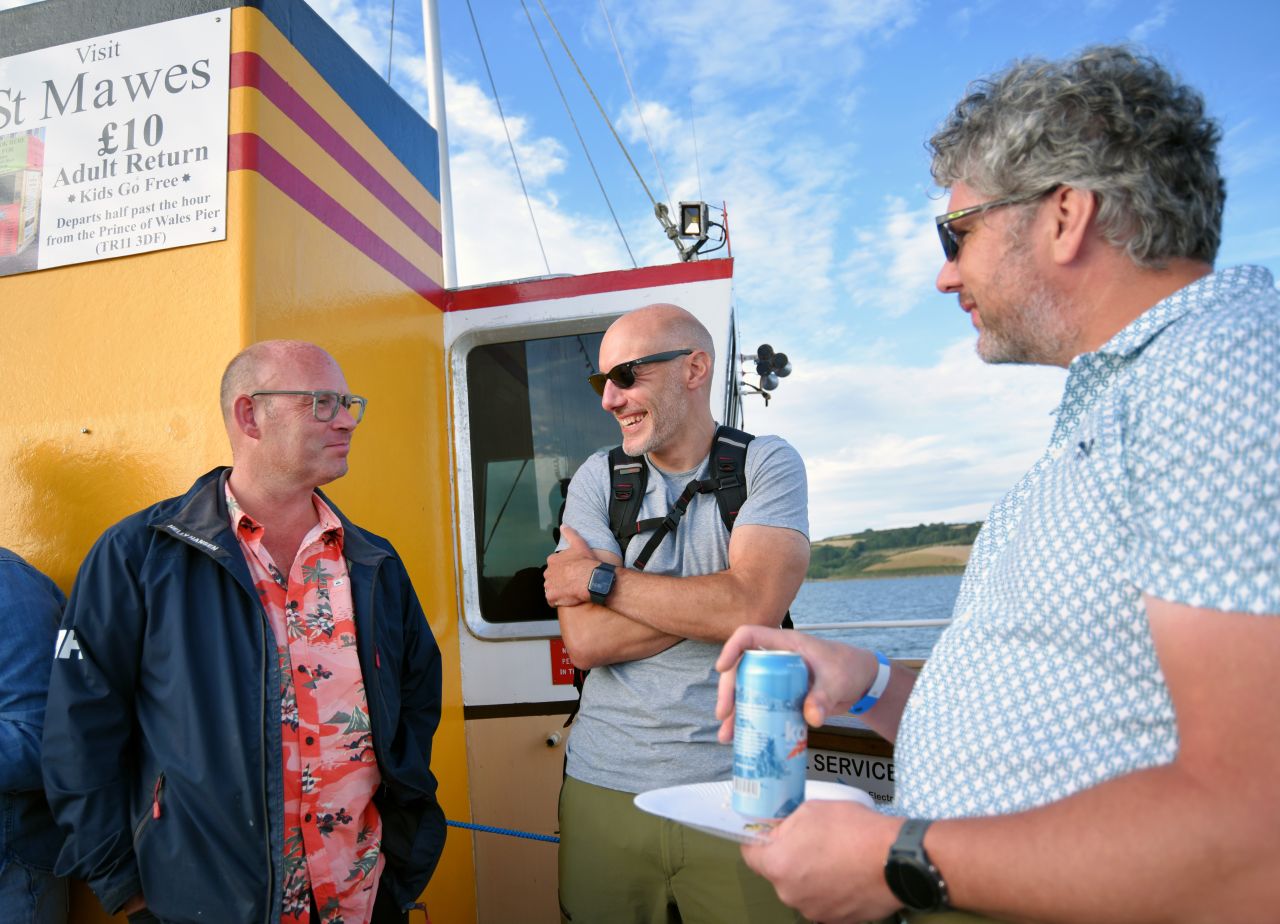
Thank you to the Agile on the Beach team, and all the speakers and attendees. It’s such a special event, I’d strongly encourage attending in 2026! I’m already thinking about how we carry some of these ideas into our own team culture and strategy, and looking forward to next year.
What other events and conferences do you recommend?
 Olly Brand
2 thoughts on “Agile on the Beach 2025”